

Powering Into 2026: The UK’s Biggest Clean‑Energy Upgrades Yet
2026 has arrived with one of the strongest pushes toward clean energy the UK has seen in years. After a turbulent period of price shocks, uncertainty, and rising interest in home‑energy independence, the new year has opened with meaningful action and record‑setting progress across solar, heat pumps, EV charging, and community energy. For households, whether they have solar, are considering a heat pump, drive an EV, or are just trying to lower bills, these changes matter.
Below, we break down the biggest updates shaping the energy landscape, starting with the most welcome news of all: falling household bills.
Energy Bills Set to Fall From April 2026
The year began with a rare relief for households: energy bills are dropping.
From 1 April 2026, Ofgem will reduce the energy price cap by 7%, equivalent to around £117 off the average annual bill - a notable shift after years of volatility. The removal of policy‑related costs from bills, funded through tax changes targeted at higher earners will play a part, which we discussed in this November blog.

According to the Resolution Foundation, energy bills throughout 2026 are expected to be around £200 lower in real terms than in 2024, subject to wholesale market movements. This follows a stabilisation trend that saw bills fall in 2025 compared to the previous year.
For consumers, the message is clear: after several difficult years, household energy costs are finally moving in the right direction. Look out for our spring blog on energy prices to compare.
Massive Boost to UK Solar: A Record‑Breaking 4.9 GW Approved
February brought a huge step forward for UK clean energy. The government’s latest Contracts for Difference auction secured:
4.9 GW of new solar capacity — the largest solar procurement in UK history
A total of 14.7 GW of clean power across solar, onshore wind and tidal
Enough generation to power 16 million homes once all projects are built
Alongside this, the UK solar market is forecast to grow by 5–5.5 GW in 2026, marking a second consecutive year of 50% year‑on‑year growth. Residential rooftop installations are also holding strong, supported by government initiatives and the continued trend toward home energy independence.
For households, this means lower long‑term energy costs and a stronger, more resilient grid. For installers like us, it represents the continued growing appetite for solar and battery solutions, particularly among homeowners looking to stabilise bills while reducing carbon emissions.
The Warm Homes Plan: £15 Billion Investment
One of the biggest policy announcements this year is the government's Warm Homes Plan, the largest public investment in home energy upgrades in British history. It brings together grants, loans, and regulatory measures to accelerate home decarbonisation while cutting household bills.
At a glance — key commitments
Upgrading up to 5 million homes by 2030
£5 billion in fully funded upgrades for low‑income households
£2 billion in low‑interest consumer loans for homeowners
£2.7 billion allocated to expand the Boiler Upgrade Scheme (BUS)
Focus on solar panels, batteries, insulation, heat pumps
We’ve published a more in‑depth breakdown of the Warm Homes Plan including what it means for homeowners in Wales — in a separate article on our website.
Heat Pumps and Solar Become Mandatory on New Homes (Future Homes Standard 2026)
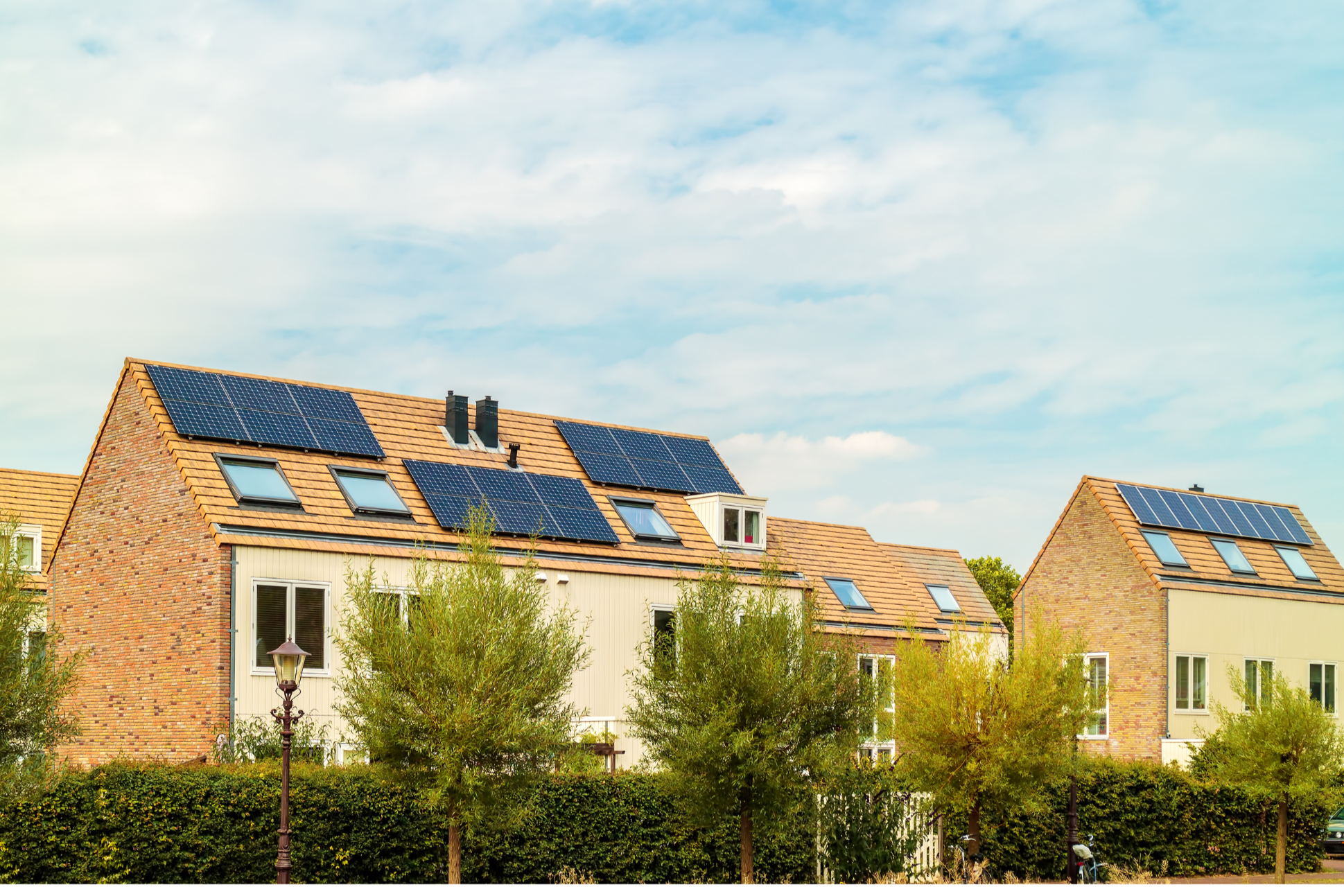
Another major shift arrived with confirmation that the Future Homes Standard will formally launch in early 2026. This is no longer a proposal — it’s official policy, and it will transform the new‑build housing market.
Under the new standard:
Most new homes must include heat pumps and solar panels as standard
Gas boilers will no longer be fitted in new‑build properties
Developers must plan heat‑pump‑ready designs earlier, including space, electrical capacity and noise considerations
This change aligns with the Warm Homes Plan and signals the UK's long‑term commitment to electrification and renewable energy. For consumers considering a move into a new‑build home, low‑carbon heating and rooftop solar will increasingly be the default, not an optional extra. We’ll discuss this in a future blog because, as always, the detail is important!
£1 Billion Committed to Community‑Owned Renewable Energy
In February, the government pledged up to £1 billion to support community‑owned green energy schemes, including local solar, wind, hydro and biomass projects.
The funding will be delivered through GB Energy, with an initial target of supporting 1,000 community energy projects across the UK. These projects will allow communities to:
Generate their own clean power
Potentially reduce local energy bills
Reinvest profits into local services and amenities
This marks the largest investment in community energy in UK history and signals a shift toward democratising clean energy. We’re working with sports clubs and community centres. Speak to us if you have a local community that wants to know more.
Electric‑Vehicle Charging Grants Boosted to £500
For EV drivers — and households considering the switch — the government has strengthened its support for home charging.
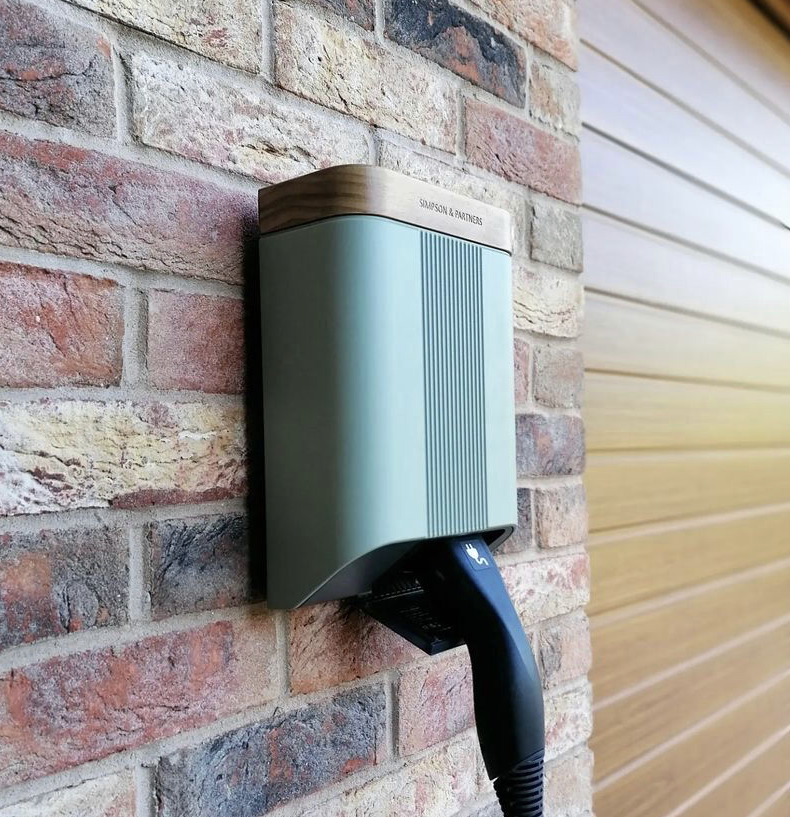
From 1 April 2026, EV charger grants will increase from £350 to £500, covering almost half the cost of a typical home charger installation. This update makes home charging significantly more accessible for:
Renters
Flat owners
Households without driveways
Landlords
Small businesses
Schools will also be able to claim up to £2,000 per charger, helping build infrastructure where staff, parents and visitors benefit.
Speak to us if you want to know more. PLUS! Read our 2026 Car Buying Guide if youa re thinking about an Electric Vehicle or Hybrid for the first time.
If 2025 was about stabilising the energy system, 2026 is about accelerating it. With falling bills, record solar investment, expanded grants, major heat‑pump support, and a national Warm Homes Plan rolling out, the transition to low‑carbon living is becoming easier — and more financially attractive — for millions of UK households.
Whether you're considering solar, a battery system, an EV charger or a future‑proof heating solution, the landscape has never been more supportive.
Found this interesting? Help us spread the word!