

Why more people are going solar in 2026 - and what to expect if you’re planning to
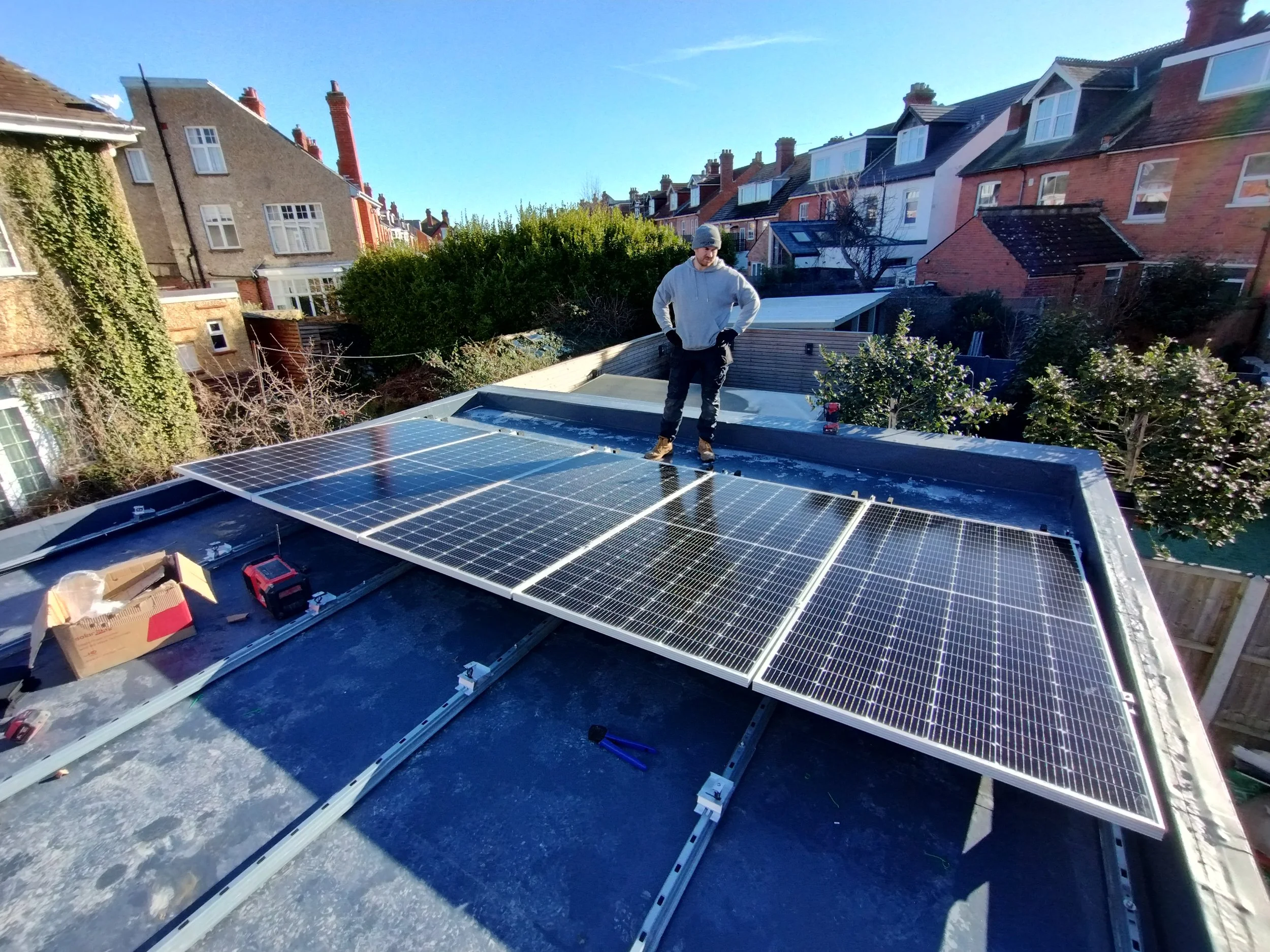
Flat roof installation in Cardiff
Something has shifted in recent months. In residential streets and business parks across Wales, more solar panels are appearing on rooftops and it’s not hard to see why. When your neighbour’s energy bill drops significantly, or a local business talks about how much more control they now have over their running costs, people take notice. Word travels.
The backdrop hasn’t helped either. Global oil and gas markets have been turbulent again in early 2026, and for many homes and businesses it has been the final nudge toward a decision they’d already been thinking about. Energy from the sun, generated on your own roof, doesn’t come with a bill that rises every time there’s a conflict halfway around the world.
The appeal is about control as much as cost
One of the things we hear most often from customers is that the monthly bill savings matter but so does the feeling of not being entirely at the mercy of the energy market. Once your panels are in, a significant portion of the electricity you use every day is simply yours. You generated it. That shift in relationship with energy is something people find genuinely valuable, and it’s driving a lot of the conversations we’re having right now.
The numbers back this up. UK solar is forecast to grow by around 50% year on year for the second consecutive year in 2026, with residential rooftop installations continuing to climb. The government’s own targets call for solar capacity to more than double by 2030, and the planning framework has been updated to actively support it.
What that means for lead times
Here’s something worth knowing if you’re planning ahead: we’re already seeing longer lead times from our distributors for solar panels.
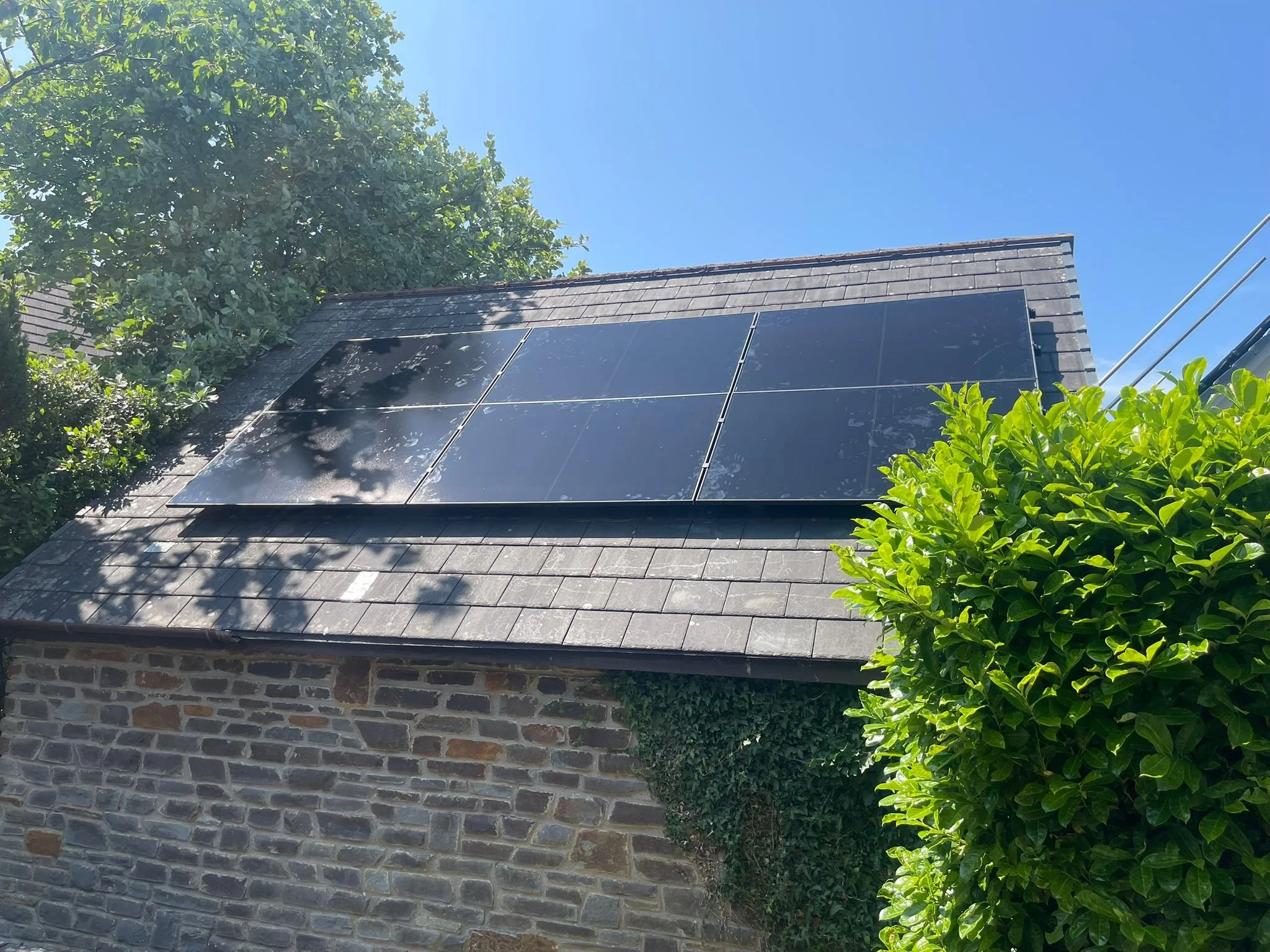
Installation on a garage roof in addition to this home in Cowbridge, Vale of Glamorgan
This isn’t a dramatic situation as it’s simply what happens when demand rises quickly across an industry. Solar panels are a globally traded product, with the majority manufactured in China and shipped to the UK via international supply chains. When demand spikes simultaneously across the UK and Europe, distributors’ stock levels and shipping schedules take time to adjust. Solar Energy UK has identified supply chain capacity as one of the key practical pressures facing the sector this year, and those of us working in it day to day are seeing it first-hand.
The practical effect is straightforward: the gap between ‘I’d like solar installed’ and ‘solar is installed’ is a little longer than it was twelve months ago. That’s not a reason to panic but it’s just useful information to have when you’re thinking about timing.
Planning ahead makes a real difference
The customers who are getting installations completed on their preferred schedule are the ones who started the conversation early not necessarily because they were in a rush, but because they gave themselves enough time to make an informed decision, get the system designed properly for their property, and let the supply chain do its thing without pressure.
If you’ve been thinking about solar for your home or your business, the most useful thing you can do right now is simply start that conversation. You don’t need to have made a decision. A free consultation with our team will give you a clear, honest picture of what a system would look like for your specific situation — the realistic costs, the likely savings, the right setup, and what the current timescales actually look like.