

A helpful guide to buying a car in 2026 - Part 1
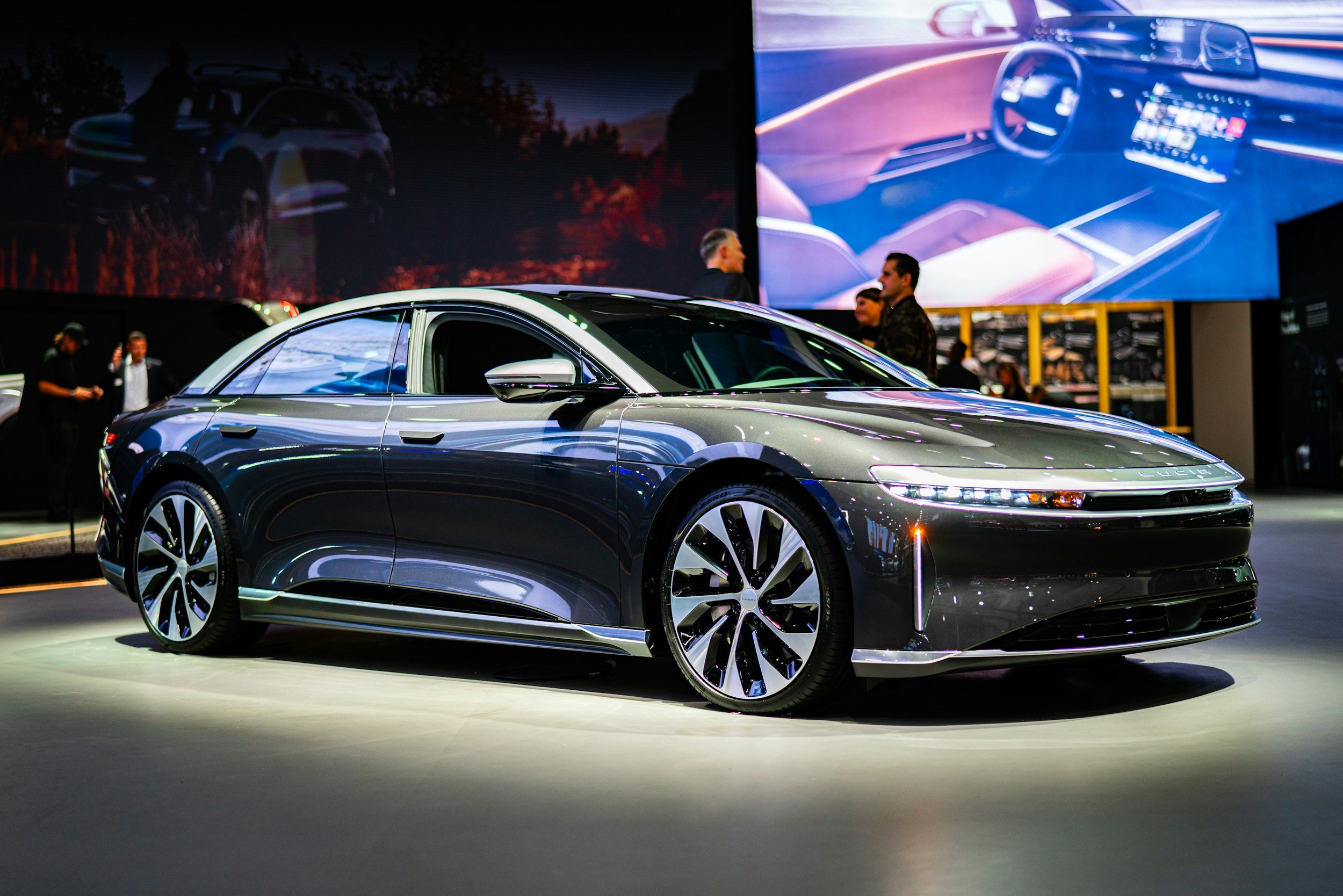
If the last time you bought a car was before we knew what a Lockdown was and the choice was petrol or diesel, you’re not alone and these articles have been written with you in mind!
We thought choices were difficult back then - choosing between a petrol or diesel, a European or Asian brand, alloys or no, fabric seating or leather (and heated seats…oooh!). There were plenty of car magazines and online resources guiding you between cars - and you could compare a 2 seater petrol with a 7 seater diesel because they all ran on miles per gallon (mpg). Then entered Tesla with a seriously good EV that changed the game…and along with it, new metrics that we’d never used before, before like ‘range’ and ‘kilowatt hours’.
The Net Zero push means petrol and diesel cars are steadily being phased out over the next decade, with hybrids easing the transition. But the writing’s on the wall. In the next 10 years, most of us will be driving either a hybrid or a fully electric car. (And don’t worry, the hydrogen discussion is one for a future article!)
So, let’s get the facts at your fingertips so you can make an informed decision. We’re putting the debate to bed using real‑world UK data, actual fuel prices, and real examples from some of the UK’s most popular cars; Are EV’s really saving drivers money?
Perhaps not quite in Top Gear style but we’ve researched some popular vehicles to compare petrols, diesels and electric vehicles against 3 driver types. Which one are you?
-
Someone who mostly nips around town, lucky enough to work locally or mainly used the car for school runs, shopping trips, gym visits and the odd hop to see friends. Their car is a convenience, not a mileage machine, and most journeys are comfortably short.
Did you know: At least 69% of UK daily drivers drive less than 30 miles per day on average.
-
A regular road‑user with a predictable daily route, often clocking up steady miles to and from work. They value reliability, comfort and fuel efficiency because their car plays a big part in their weekday routine.
About 10-15% of drivers fall into this category and often drive vans or SUVs and mileage of about xx per day/month/year.
-
A traveller who often stretches their car’s legs visiting family, work sites, weekend getaways or regular UK‑wide travel. They need confidence in range and enjoy the comfort of a car built for big miles.
Let’s meet our test vehicles
Please note images shown are illustrative only and do not necessarily represent the model discussed or used on our examples (we’re a renewables company, not car experts!)
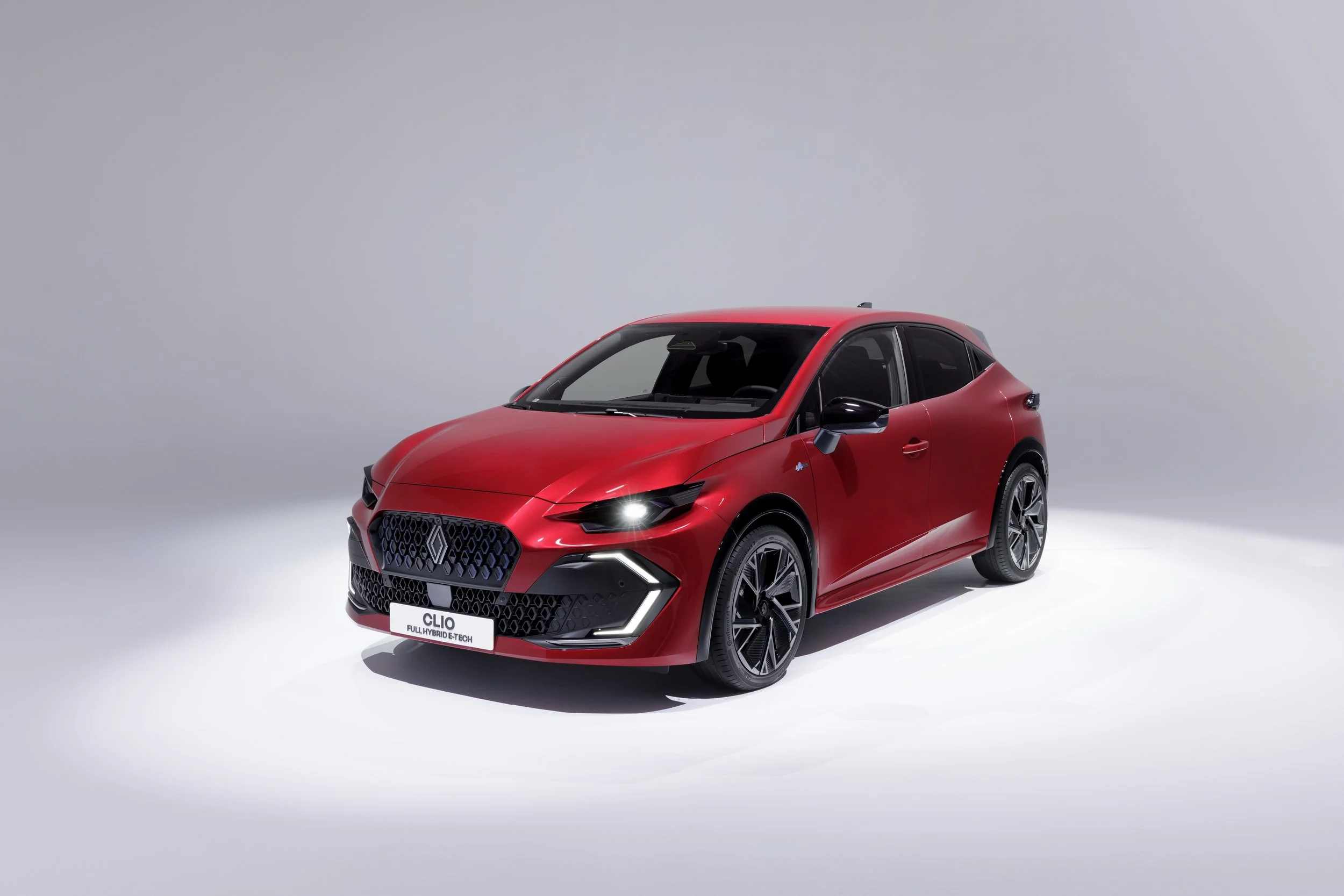
Renault Clio (Petrol)
A top-selling supermini in the UK, the Clio stands out for its stylish design, spacious cabin, and modern tech.
Real-world tests show around 50 mpg in mixed driving for the pure-petrol TCe 90 model.
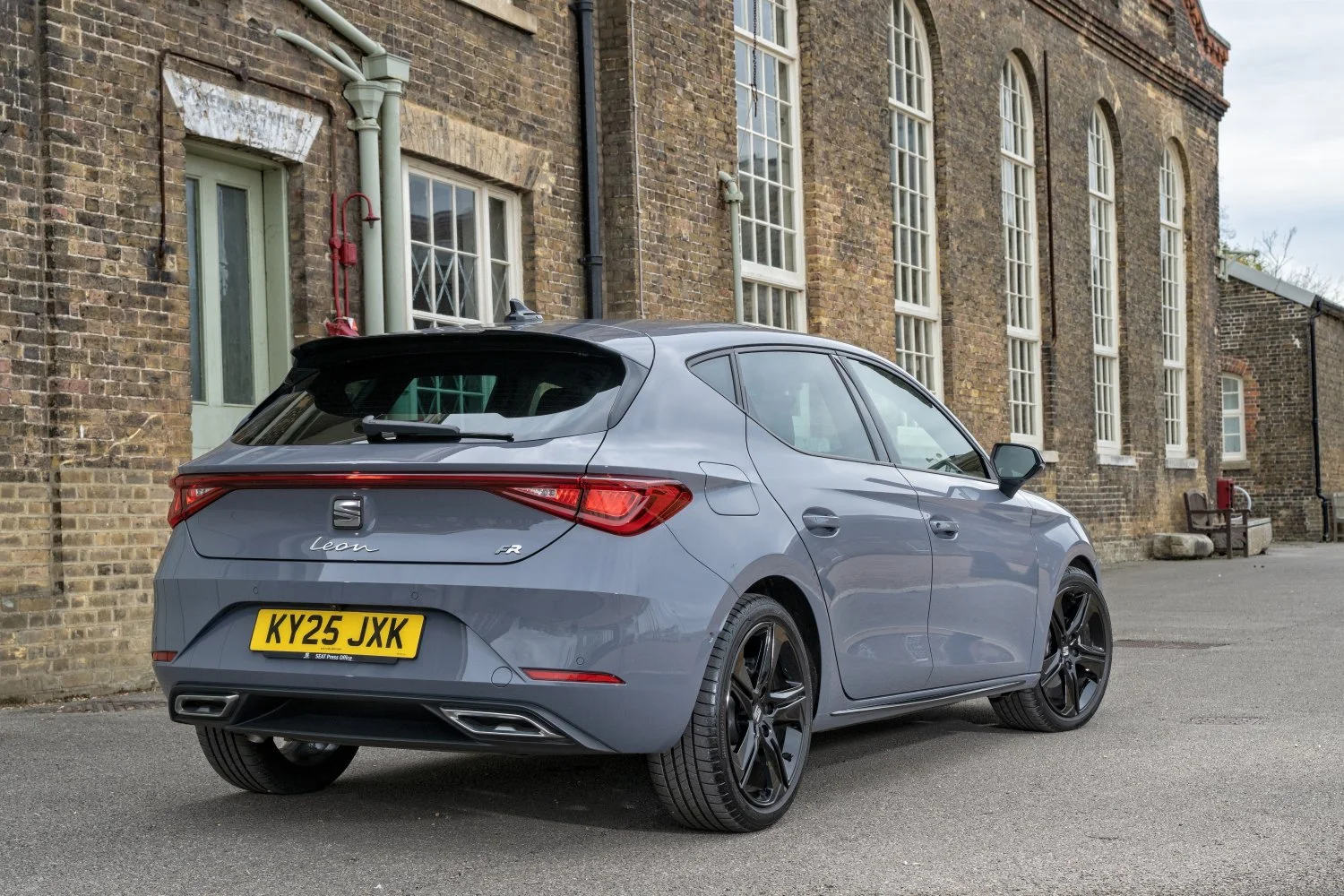
Seat Leon (Diesel)
The Seat Leon remains one of the few small hatchbacks still sold new with a diesel engine in 2026. Its 2.0-litre TDI is praised for balancing strong motorway performance with fuel efficiency—real-world driving typically delivers around 60 mpg.
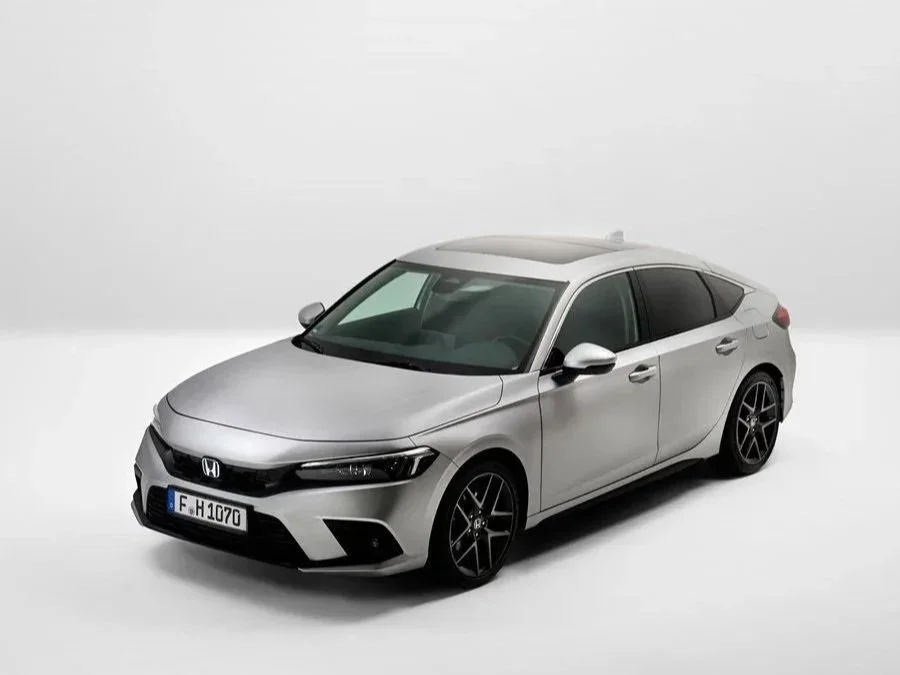
Honda Civic (HEV - Hybrid Petrol)
The Honda Civic e:HEV is a smooth, refined self‑charging hybrid that consistently delivers excellent real‑world fuel economy. Road tests show it achieving around 54 mpg in mixed UK driving, with even higher figures in urban conditions thanks to its electric‑first behaviour. It’s ideal for drivers who want lower running costs without needing a plug‑in.
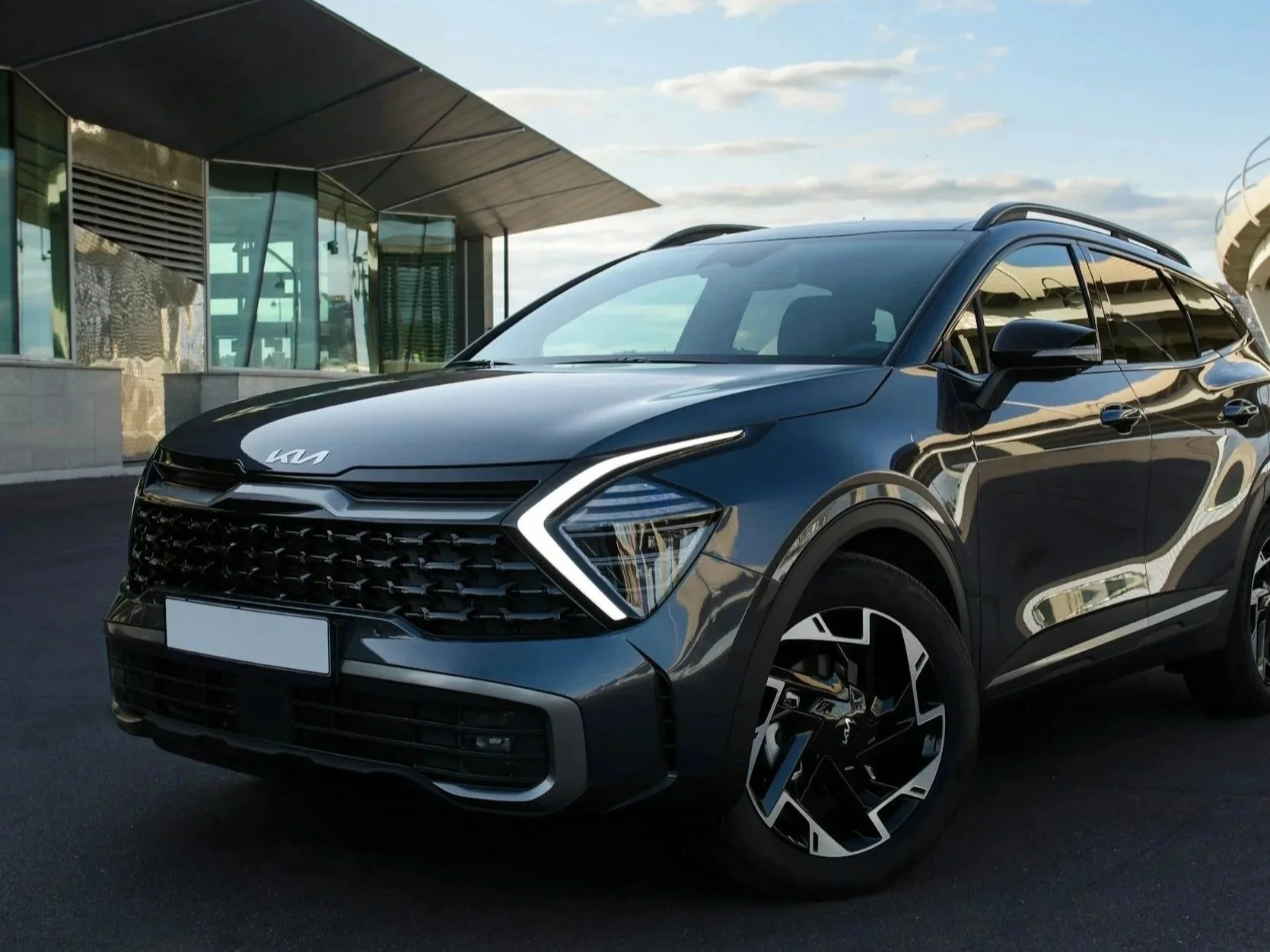
Kia Sportage (PHEV — Plug‑In Hybrid)
The Kia Sportage PHEV blends everyday practicality with genuine electric driving. With around 30–35 miles of electric‑only range for short trips and a smooth petrol engine for longer journeys, it offers the best of both worlds. Its modern interior, generous tech, and family‑friendly space make it one of the most popular plug‑in SUVs on UK roads. Once the battery is empty, it returns around 36mpg in real‑world driving.
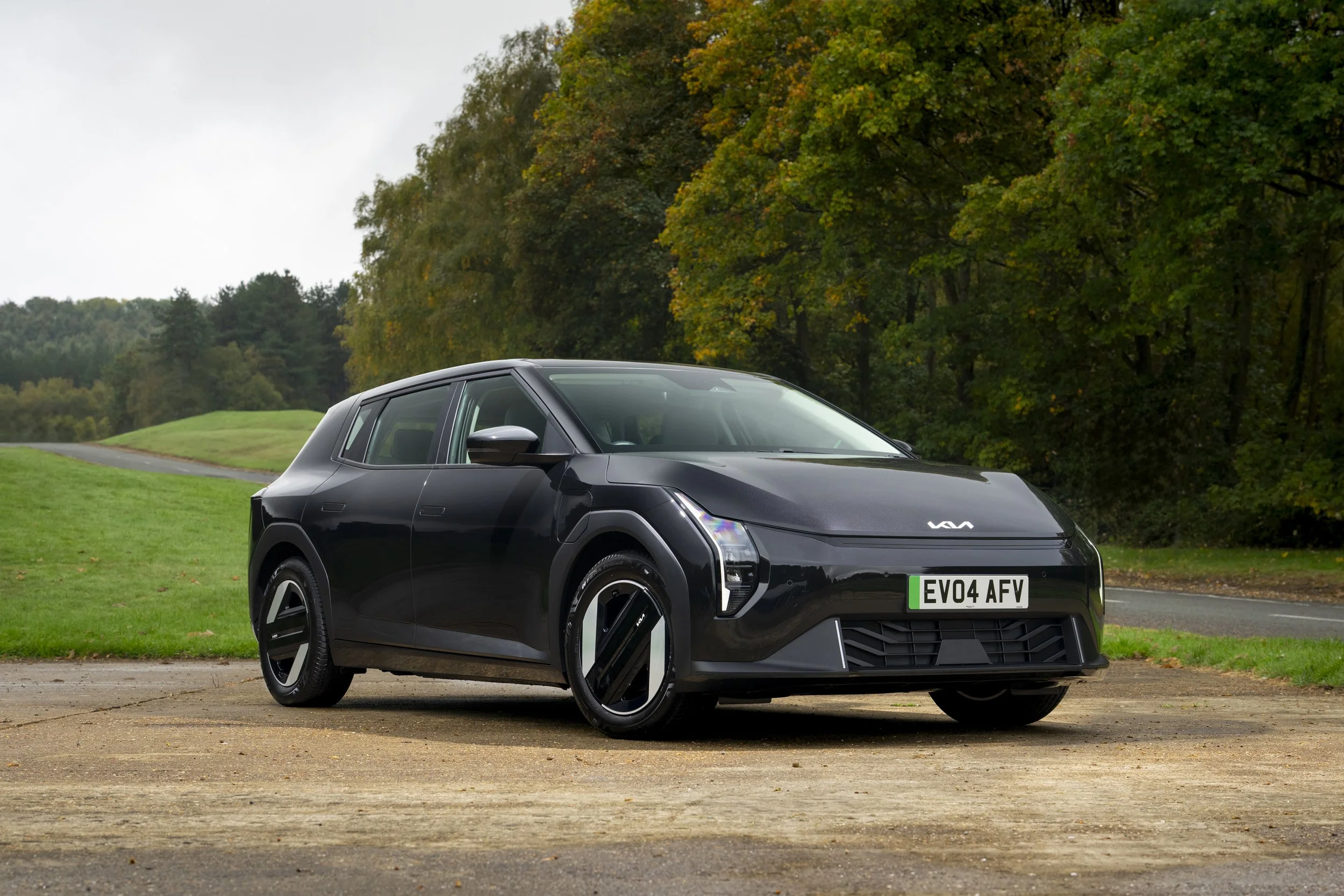
Kia EV4 (Electric)
A next‑generation EV offering excellent range, strong efficiency and modern tech, making it a practical choice for both commuters and families. Early real‑world testing shows it achieving around 4 miles per kWh, putting it among the more efficient electric cars.
UK Fuel & Electricity Prices Used in Our Calculations
(based on the averages in 2025)
Petrol: 131.5p per litre
Diesel: 140.7p per litre
Electricity: 26.35p/kWh (standard home rate)
Comparison Table - Petrol/Diesel/Hybrids/EV
We’ve converted each vehicle’s fuel source into per mile cost so you can compare. This table shows the likely monthly fuel costs per vehicle.
| Vehicle | Cost per Mile | Local Driver | Commuter | Long Distance |
|---|---|---|---|---|
| Renault Clio (Petrol) | 12.0p | £90.00 | £180.00 | £240.00 |
| Seat Leon 2.0 TDI (Diesel) | 10.7p | £80.25 | £160.50 | £214.00 |
| Honda Civic Hybrid | 11.5p | £86.25 | £172.50 | £230.00 |
| Kia EV4 (Electric) | 6.92p | £51.90 | £103.80 | £138.40 |
| Kia Sportage PHEV (Plug‑in Hybrid) | 13.8p† | £103.50 | £207.00 | £276.00 |
† Blended cost assumption (for PHEV): 50% of miles in EV mode at 11.0p/mile (based on ~33 miles from a 13.8 kWh battery → 0.418 kWh/mile at 26.35p/kWh) and 50% in petrol mode at 16.6p/mile (36 mpg, £1.315/litre). EV‑range and 36 mpg petrol figure from real‑world testing of the 2026 Kia Sportage PHEV.
So… Are EVs Saving Drivers Money?
When you compare all four vehicles side‑by‑side, the fully electric Kia EV4 remains the most cost‑effective option for day‑to‑day driving. Its low cost‑per‑mile comes from strong real‑world efficiency (164 Wh/km) and the lower price of home charging compared with petrol or diesel. Hybrids, meanwhile, sit somewhere in the middle. The Honda Civic Hybrid offers good fuel economy, but because it cannot plug in, it still relies entirely on petrol power.
Plug‑in hybrids like the Kia Sportage PHEV promise the best of both worlds, but actual running costs depend heavily on how you drive. Real‑world testing shows around 33 miles of electric‑only range and 36 mpg once the battery is depleted, meaning costs rise quickly if you can’t charge regularly or mostly drive long distances.
In short: EVs give the lowest running costs for most drivers. Hybrids can be efficient, but unless you clearly understand your typical mileage and charging habits, a hybrid, especially a PHEV, may not deliver the savings you expect.
Worried about charging on the go?
We’ve worked out you would need to be paying above 45p per kWh to make it less cost-effective than a diesel.
Are there even more cost savings with EVs through off‑peak tariffs?
Yes. EV drivers save £300–£1,000 per year, depending on mileage. With off‑peak charging, those savings grow dramatically (we’ll look at that in another piece).
But running costs are only one part of the picture and it’s important to acknowledge the bigger context, especially for readers who may be choosing their “next car” carefully.
The Bottom Line
Yes — EVs are saving drivers money on day‑to‑day running costs, and the savings are significant. When you combine low per‑mile energy costs with cheaper servicing and the option of off‑peak charging, EVs offer the most affordable form of motoring for many UK drivers.
But choosing your next car isn’t just about spreadsheets. It’s about your lifestyle, your mileage, your parking situation, and what you want driving to feel like.
We can’t help you on car choice, because we’re a smart energy provider. But we can help you with making the most out of your energy choices.